viernes 15 de mayo de 2009

Planning to come skiing and have Spanish lessons in Bariloche?


If you are planning to come skiing and have Spanish lessons, here you are some pics of Cerro Catedral Ski Resort first snow 2009.
Bariloche, Patagonia Argentina.

Spanish Learning programs for families at Spanish in Bariloche.

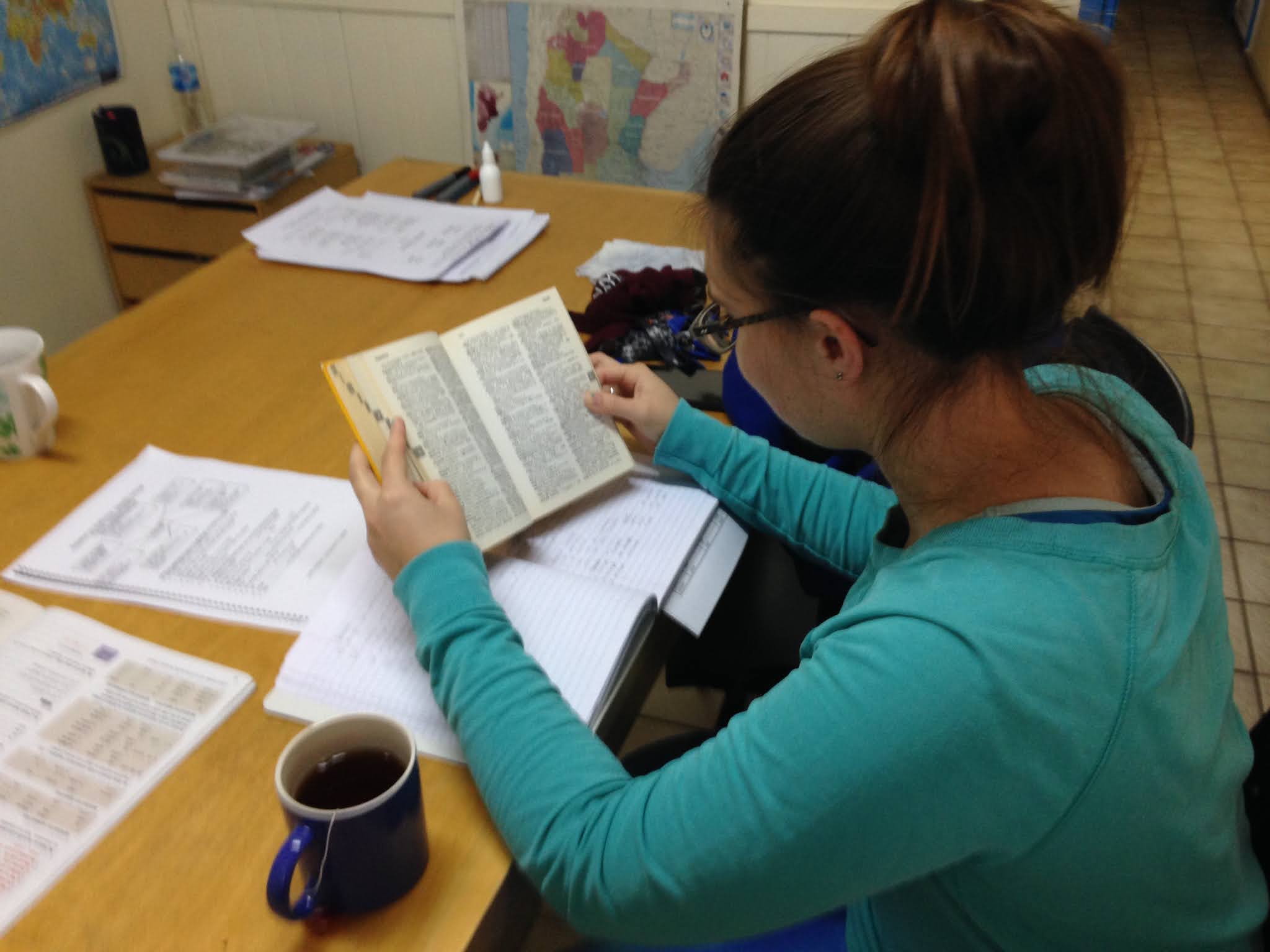
If you and your family are planning an interesting trip toghether, including Spanish lessons, here you can read the opinion from a former Spanish student that came with her husband and daughters last June and attended lessons until las February. She acted as a reference for a prospective Spanish student that was interested in a Family Spanish program, and this is part of what Ann wrote: '...As Veronica mentioned, my whole family has attended her language school since we arrived in Bariloche in June. My girls (10 and 12) have been going since we arrived. At first they were together, but more recently separate since my older girl's spanish has improved a lot. The classes incorporate games, conversation, drawing, stories, so they are a lot of fun. My husband was an utter beginner, and he is now more of an intermediate. For him, the school offered a step-by-step program, going through all the grammar and providing lots of opportunity for conversation. I am an advanced student, and so there really isn't a program for me. Instead I've gone intermittently for conversation and review. We've read some literature, and I've done some writing, which gets corrected. Even my Mom (79) attended for a few days while she was visiting. We've obviously been very pleased with the school. All the teachers are youthful, energetic, and welcoming. Veronica goes out of her way to be helpful. She's extremely flexible in terms of arranging times for classes and accommodating our sometimes complicated schedules. She also will set up extracurricular activities and help with any emergencies or issues that arise. We've had a few!...'
Thank you, Ann! I really enjoyed the time you spent with us!
Veronica.

martes 12 de mayo de 2009

Extracurricular activities for students of Spanish in Bariloche. Horsbackriding to Cerro Catedral through Camino Viejo/Balcon del Gutierrez


Balcon del Gutierrez, also called Camino Viejo, is the old trail to get to the Catedral ski resort. Students of Spanish in Bariloche enjoy this activity all year round. This old trail was built in the 40' starting in the head of the Lake Gutierrez crowned by the old Hosteria Los Coihues. It still remains as a rough road for trekking or biking, cars are not allowed to use it. In this area you can enjoy the Native fauna and flora of the National Park Nahuel Huapi during the four seasons. Nowadays, a modern paviment road connects Bariloche town centre with Cerro Catedral in 20 minutes by car.
Walking from Villa Los Coihues, you get up to the base of the Ski Resort in about 2 hs simply; if horsback riding, 1 1/2 hour, more or less. We strongly reccommend this activity.

martes 5 de mayo de 2009

Playing games outdoors with Spanish in Bariloche


Students playing games outdoors.

miércoles 15 de abril de 2009

An enjoyable week with our Spanish teacher.

Thank you very much for an enjoyable week. It has been very interesting and quite hard. Maria is an excellent teacher, showing a good patience and also a good humour in the class.

David Emberson.
London, UK.

We will be speaking Spanish now!

Thank you very much to everyone here, at Spanish in Bariloche School. We really enjoyed it and hopefully will be speaking Spanish now!

Harriet Emberson.
London, UK.

lunes 16 de marzo de 2009

EL MUSEO DE LA PATAGONIA – FRANCISO P. MORENO

EL MUSEO DE LA PATAGONIA – FRANCISO P. MORENO

Bariloche tiene un museo pequeño que está situado en un edificio histórico cercena al lado este del parque central de la ciudad. Este museo se inauguró en el año 1940 y lleva el nombre del hombre que donare las tierras del primer parque nacional de la Argentina, en el año 1903.

Un buen día hacia al fin de nuestra visita en la ciudad, y acompaño a mi esposa y la directora de la escuela, visite al museo. El museo está organizado en cuatro secciones: ciencias naturales, prehistoria, historia indígena y regional; hay un auditórium y otros espacios. Mucha información está presento para exhibiciones permanentes y temporarias en un espacio limitado. Nuevos proyectos había comenzado y el museo ofrece un programa de educación cultúrale.

La sección en ciencias naturales está pequeña pero contiene muchas exposiciones. Los animales grandes de mayor importancia son bien presentados en forma de un diorama, con muchos roedores y otros mamíferos pequeños. Unas especies de aves de la localidad están presentadas, incluyen especies migratorias que salen en el invierno. Dos especies considerables son el cóndor gigante y el puma. Esta sección está de interés para aprender las especies de animales de la localidad.

El hombre había presente en Patagonia durante trece mil años aproximadamente. Estudios paleontológicos había revelado las rupestres pinturas de las manos y los animales. Estas pinturas son similares a ellas de Australia, y otros países. Copias de estas pinturas y muchas herramientas y otros artefactos están presentadas en el museo. Ellos llegan a comprender mucho de las vidas de estas distintas poblaciones indígenas. Los cinco grupos étnicos son: Yamanas (o Yaganes), Onas, Tehuelche, Pehuenche y Mapuche (o Araucano).

La historia del establecimiento de los europeos en Patagonia es como en muchas otras partes de America y el mundo, incluyendo la Australia. La historia común y triste de la guerra desigual, explotación y desposeimiento de los indígenas de sus tierras se revela.

La historia reciente de la región esta ofrecido y incluye muchos puntos de interés en el desarrollo de San Carlos de Bariloche en particular. Pero hay mucho de importancia por la Patagonia y la Argentina en general.

Por fin, aunque pase solamente pocas horas allí, está claro que el Museo de la Patagonia está un recurso valioso para la ciudad y la región. El museo funciona como deposito de mucha información de importancia histórica y juega un rol importante en la vida cultúrale y educativa de la ciudad y de la región.

Referencias:
Diamond, J.M. (2006) Armas, germenes y acero (edición español), Debate Editorial.
http://www.bariloche.com.ar/museo/museoing.HTM

Dr Alister V. Spain,
Magnetic Island.
Australia.